tetra butyl ammonium bromide Specification
- Classification
- Inorganic Chemicals
tetra butyl ammonium bromide Trade Information
- Minimum Order Quantity
- 100 Kilograms
- Supply Ability
- 1000 Kilograms Per Day
- Packaging Details
- as per buyer requirement
- Main Export Market(s)
- Asia, South America
- Main Domestic Market
- All India
About tetra butyl ammonium bromide
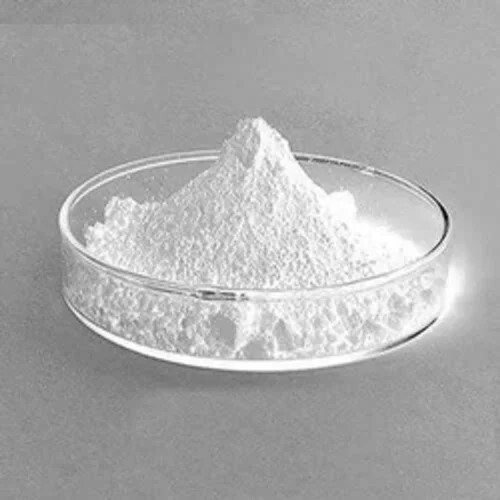
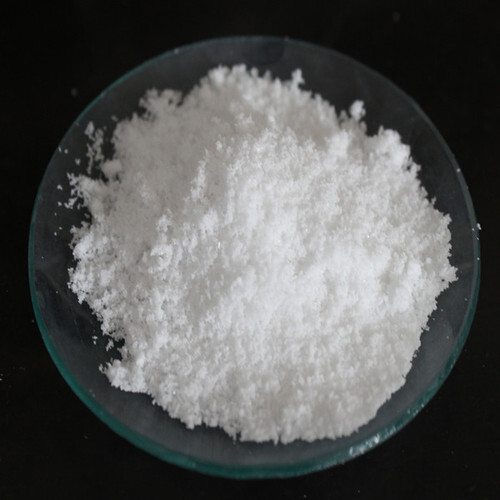
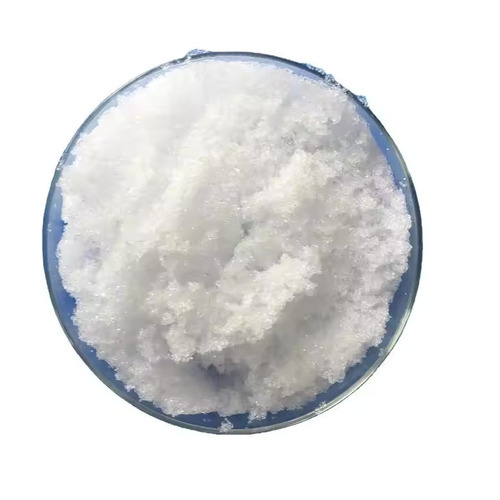
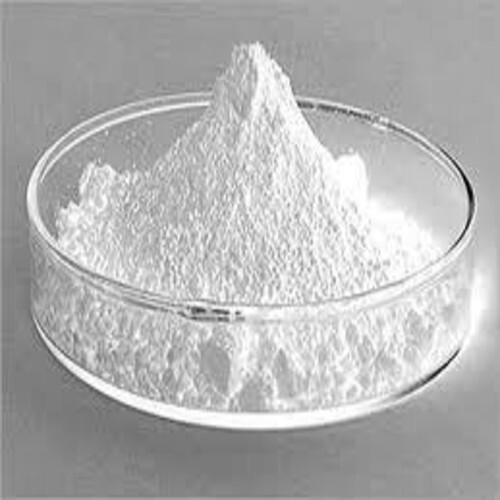
The content of tetrabutylammonium bromide TBAB also referred to as its assay or purity level generally ranges from 98 percent to 995 percent for standard commercial and laboratory reagentsTypical Content Levels by GradeThe purity requirements for TBAB are determined by its role as a phase transfer catalyst PTC or ionpairing reagentSynthesis Grade Typically contains a minimum of 98 percent TBAB This is the most common grade used in organic synthesis and industrial catalytic processesReagent Grade Usually guaranteed at 99 percent purity or higher It is used in laboratoryscale reactions where high consistency is requiredAnalyticalHPLC Grade Often reaches 995 percent or higher This grade is specifically tested for low UV absorbance and is used as an ionpairing agent in liquid chromatographyPhysical and Chemical SpecificationsTBAB is a quaternary ammonium salt that typically appears as white to offwhite crystals or flakes It is known for its excellent solubility in both water and organic solventsPropertyValueChemical FormulaC_16H_36BrNMolecular Weight32237AppearanceWhite to offwhite crystalline powder or flakesMelting Point102 to 106 CSolubility600 grams per liter in water at 20 CStorage and HandlingTo maintain the specified anhydrous content TBAB must be handled with care due to its physical propertiesHygroscopic Nature TBAB is slightly hygroscopic absorbs moisture from the air While not as aggressive as potassium acetate it should be stored in a cool dry place in tightly sealed containers to prevent clumpingStability It is generally stable under standard storage conditions but should be kept away from strong oxidizing agentsIncompatibility Avoid contact with strong bases and moisture to ensure the chemical integrity of the saltTypical ImpuritiesCommon impurities that may affect the total content percentage includeTributylamine Residual starting material from the manufacturing processWater Content Typically kept below 05 percent to 10 percent in highquality gradesBromide salts Trace inorganic bromides.





 Send Inquiry
 Get Latest Price

